
Content & Platforms
Alongside editing itself, a big part of my work is sharing the process behind it. Over time I started documenting how edits are made, how styles develop, and how different techniques connect together. What started as small tutorials and experiments eventually turned into a mix of longer YouTube videos, short-form TikTok content, and an Instagram page.
Each platform serves a slightly different purpose. Some are for teaching, some are for experimenting, and some are simply where the finished work are. Together they show both of my creative side of editing and the thinking process behind it.
YouTube
Username - potterheadasap
YouTube is where I explore ideas in more depth. Most of my videos are tutorials, editing experiments, and breakdowns where I explain how certain animation styles or editing techniques work.
Instead of only showing steps, I try to explain the reasoning behind them like how an edit starts as an idea, how the structure is planned, and how effects and motion design elements work together. Some videos focus on specific techniques like logo animation, motion graphics, or editing styles used in fan edits.
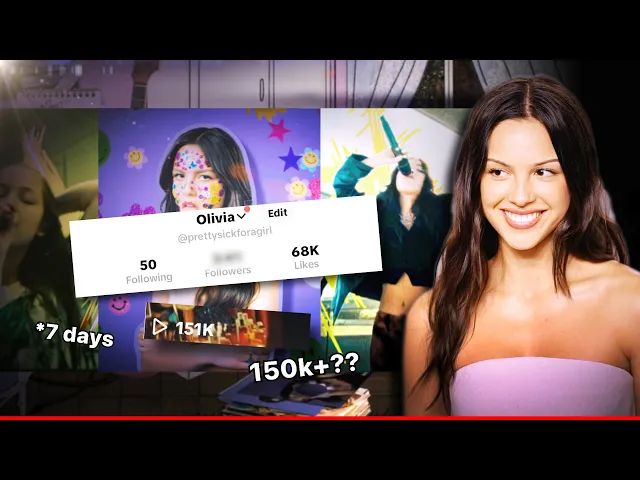
One project I’ve been doing on the channel is the undercover editing series. In these videos I create a brand new fan edit account and start posting edits for a week without revealing that the account belongs to me. The idea is to see how edits perform when the account has no following and no reputation behind it.
This experiment started as a fun challenge but quickly became something more interesting. In several cases the accounts reached hundreds of thousands and sometimes millions in total views within a week, with posts gaining tens of thousands of likes and large comment sections, even though nobody knew who was behind the edits.
What makes this experiment interesting is that it removes the influence of an existing audience. The only thing people see is the edit itself the song choice, the concept, the pacing, and the storytelling. It’s a way to understand what actually makes people stop scrolling, rewatch an edit, or share it.
The challenge is also creatively useful for me. Because the account is new, I can’t spend months perfecting a single edit. I have to create and post quickly. That pushes me to test ideas, try different styles, and focus on strong concepts rather than perfection.
These projects end up being both entertaining and surprisingly insightful. They show how editing styles evolve, how audiences react to different ideas, and how creative decisions affect engagement.
TikTok
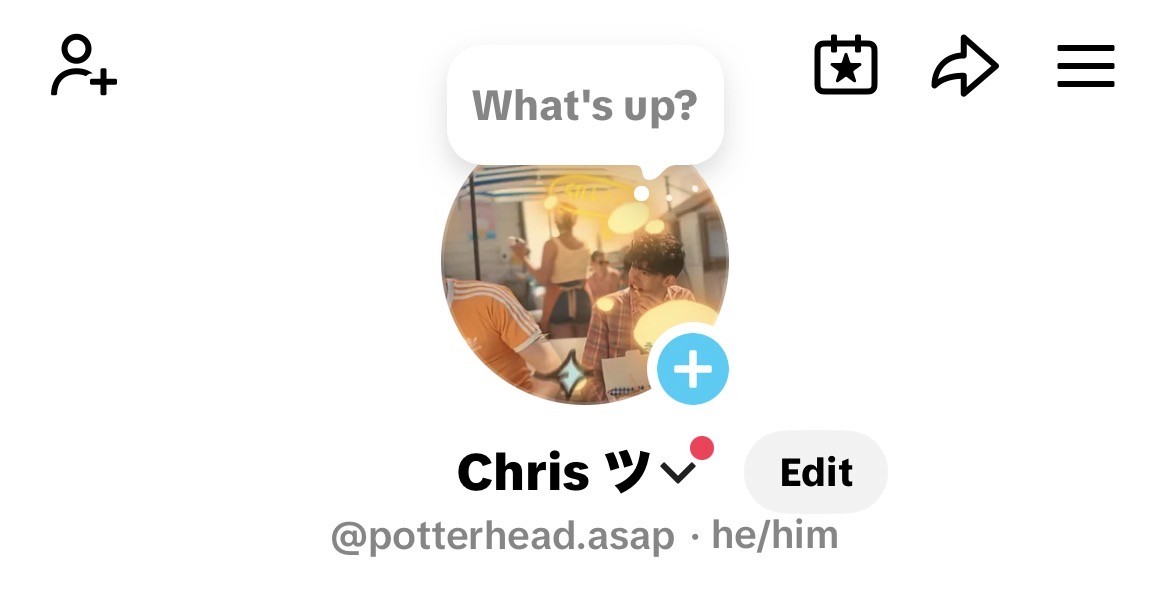
User - potterhead.asap
TikTok is where things are quicker and more spontaneous. I use it to share shorter tutorials, editing tips, memes about editing culture, and small experiments that don’t need a full YouTube video.
Some posts show quick tricks or effects that editors can use immediately. Others are more casual jokes about editing struggles, relatable moments for editors, or small breakdowns of techniques I’m using in my projects.
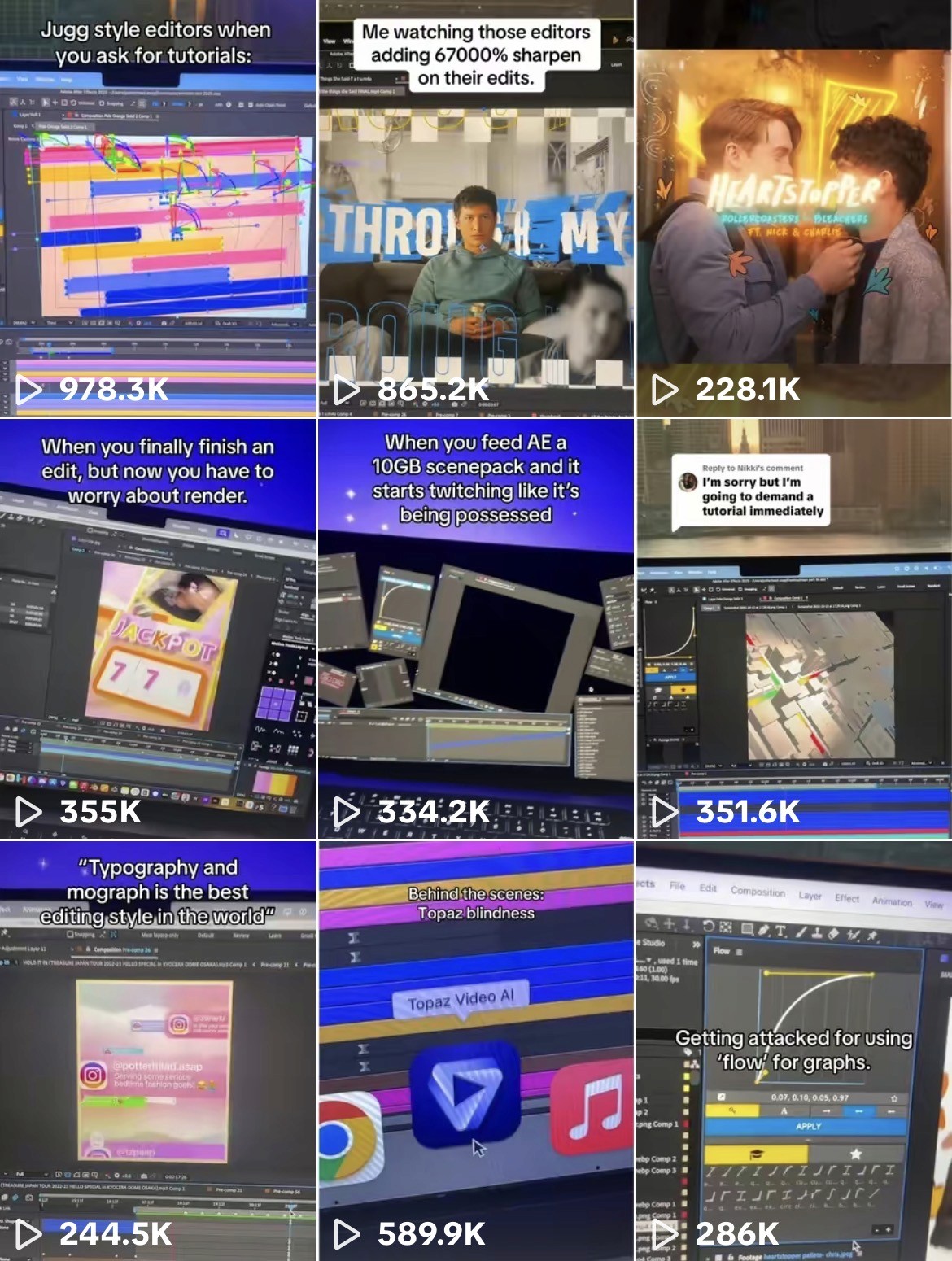
It’s also where I test ideas before they become bigger projects. Sometimes a short post showing a style or technique can later turn into a longer tutorial or experiment on YouTube.
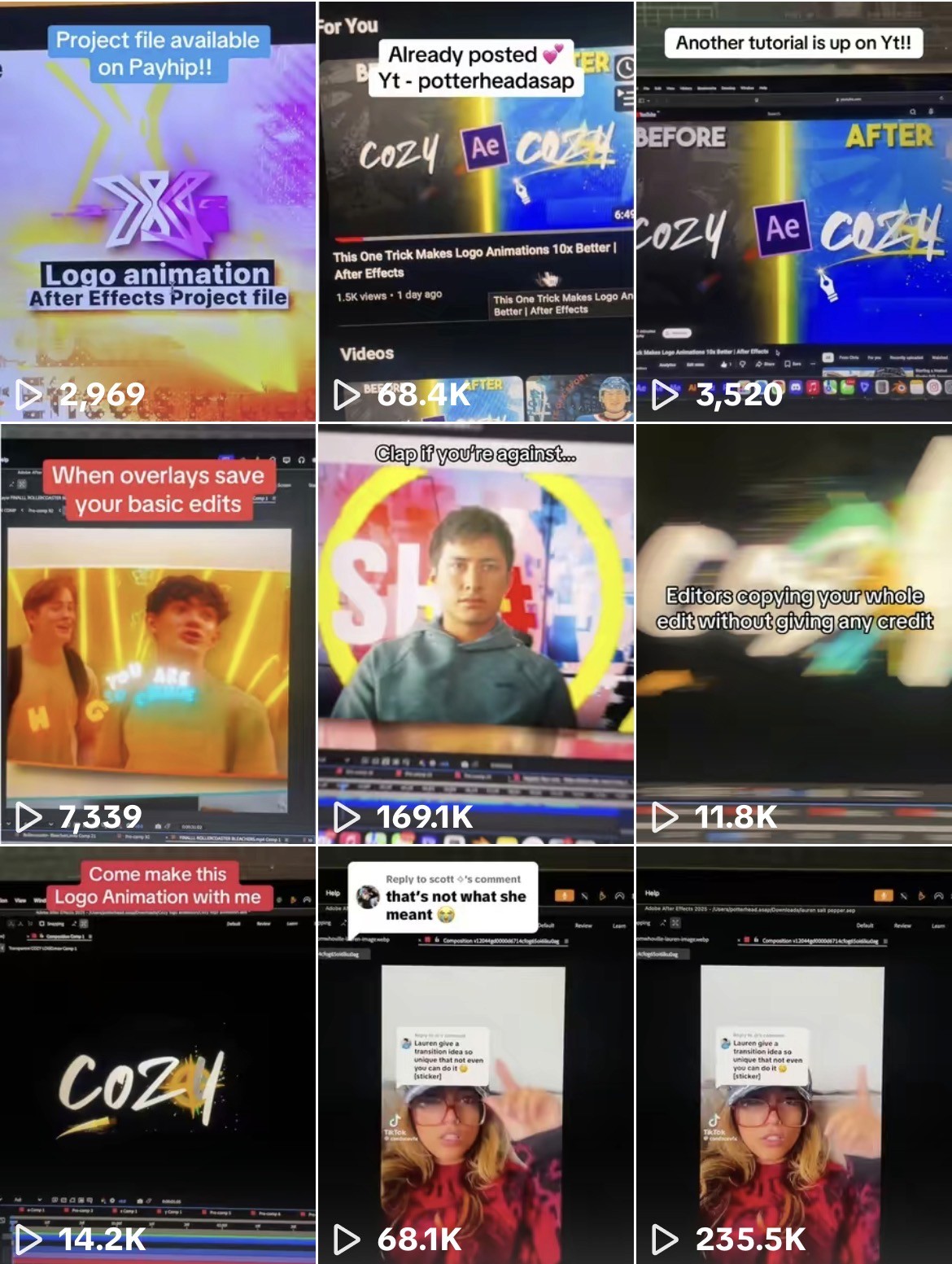
Because the platform is fast and informal, it allows me to share ideas instantly and interact with the editing community in a more relaxed way.
User - potterhead.asap
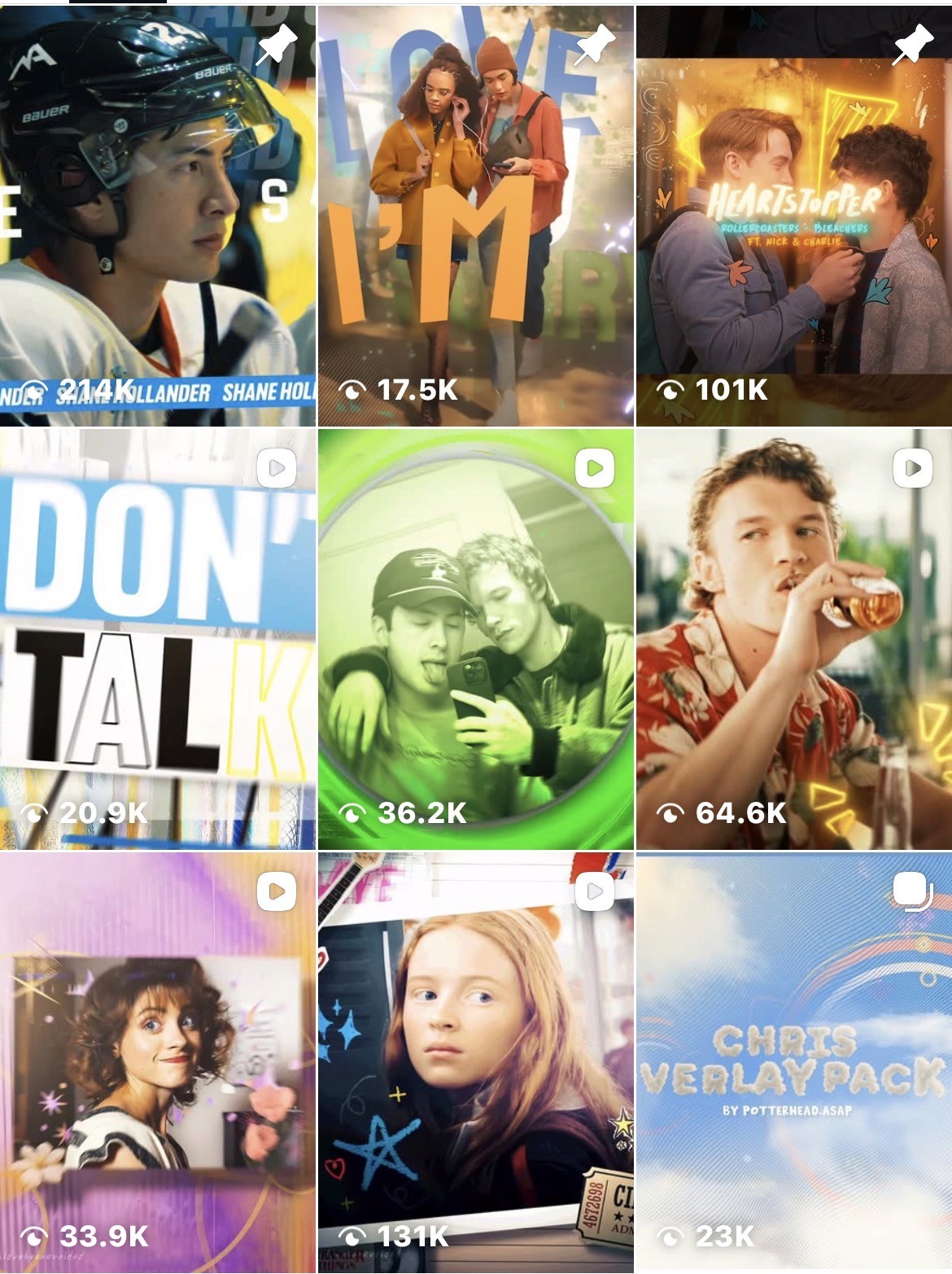
Instagram is where most of my finished edits live and acts as the main visual portfolio of my work.
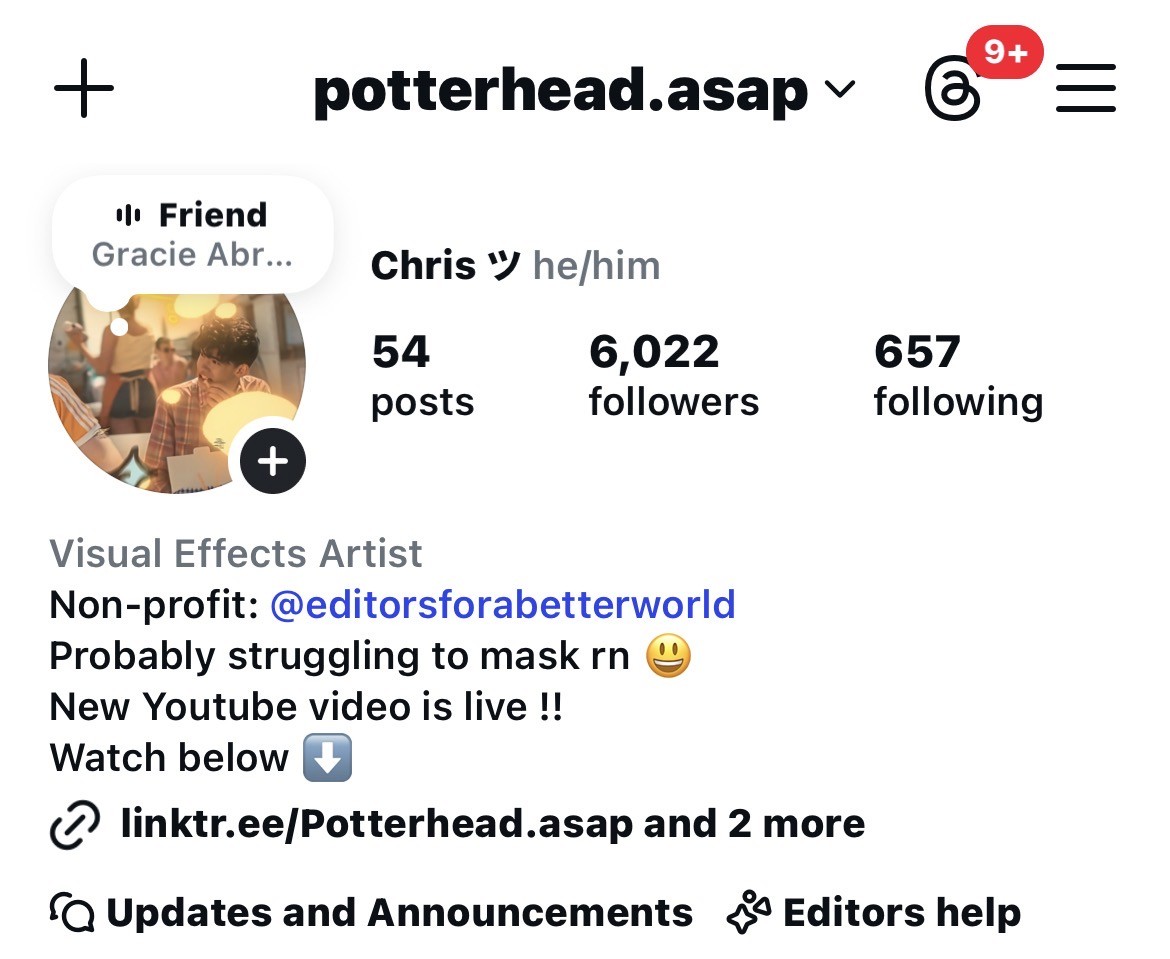
This is where I experiment with different editing styles, storytelling approaches, and motion design concepts through fan edits and creative projects.
Many of the ideas that later appear in tutorials or experiments actually begin here. I’ll test a visual concept, a transition style, or a motion design idea inside an edit before later explaining how it works in a tutorial.